We are currently experiencing technical difficulties with purchases on our site.
If you need assistance making a purchase, please contact our office at 800.655.2862 or email staff@cvma.net.
We are currently experiencing technical difficulties with purchases on our site.
If you need assistance making a purchase, please contact our office at 800.655.2862 or email staff@cvma.net.
This article was originally printed in the January/February 2025 issue of the California Veterinarian magazine.
In the summer and fall of 2024, I surveyed over 500 veterinary professionals from all corners of veterinary medicine on the topic of allyship, inclusion, and leadership within their workplace. This article focuses on some of the responses to this survey, exploring what allyship and inclusion mean in the veterinary profession,
and how leadership can support team members from all backgrounds.
Workplace Allyship
Allyship in its most basic sense is when someone from a non-marginalized or overrepresented group uses their privilege or advantage to advocate for someone from a marginalized, underrepresented, or historically excluded group.
Allyship originates from a place of solidarity not from identity and is always active. When asked in the recent survey to describe an example of personally witnessed workplace allyship, the following are some of the responses:
Workplace Inclusion
Inclusion refers to behaviors and social norms that ensure people feel welcome. If everyone who comes in contact with the workplace feels that they belong, then the workplace is inclusive. The following are some of the responses to the survey question, “In what way is your workplace inclusive?”:
Allyship, Inclusion, and Leadership
There are hundreds of ways to define “leadership.” For me, leadership is about removing barriers and teeing up resources. Another favorite definition is that leadership is about improving the lives of others. Regardless of their role, career stage, and workplace setting, every team member can choose to be a leader. The following are a few survey responses to a question of how allyship, inclusion, and leadership are interrelated:
Does Your Workplace Have an Inclusivity Problem?
Consider the following workplace inclusivity assessment questions in the context of your current workplace. If you are currently in a career transition, consider the questions as they relate to a previous work environment. Jot down a yes or no for each. If you do not know the answer, assume it to be a no.
Now count up all of your “no” responses. If you answered no to four or more questions, then your workplace has some work to do!
Next Steps
The next steps are up to you. Perhaps you will share the workplace inclusivity assessment questions with your team or dive deeper into one of the provided resources. Wherever you are on your allyship and inclusivity journey, be sure to celebrate your progress and ask for help when needed!
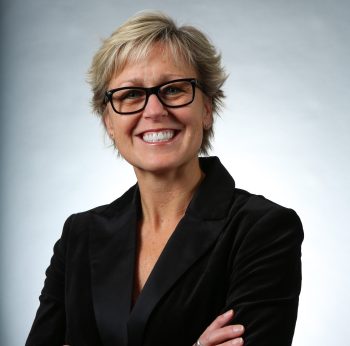
Dr. Mia Cary (she/her) is a 1999 graduate of the University of Florida College of Veterinary Medicine. She has a personal and professional purpose of activating others to thrive, which she achieves through speaking, meeting facilitation, association leadership, coaching, and customized consulting projects. Her professional experience includes executive leadership and education roles at the AVMA, North American Veterinary Community (NAVC), Boehringer Ingelheim, and Novartis Animal Health. Dr. Cary currently serves as CEO and Change Agent for Cary Consulting, CEO for the Pride Veterinary Medical Community (PrideVMC), serves on the board of advisors for Dean Ruby Perry at the Tuskegee University College of Veterinary Medicine, is a Past President of the American Association of Industry Veterinarians (AAIV), and is a certified QPR Gatekeeper Training Instructor.
It’s Not About Politics….It’s About Your Profession. The CVMA-PAC is a bipartisan political action committee whose purpose is to educate state legislators and candidates on issues of importance to the veterinary profession