This article was originally printed in the July/August 2026 issue of the California Veterinarian magazine.
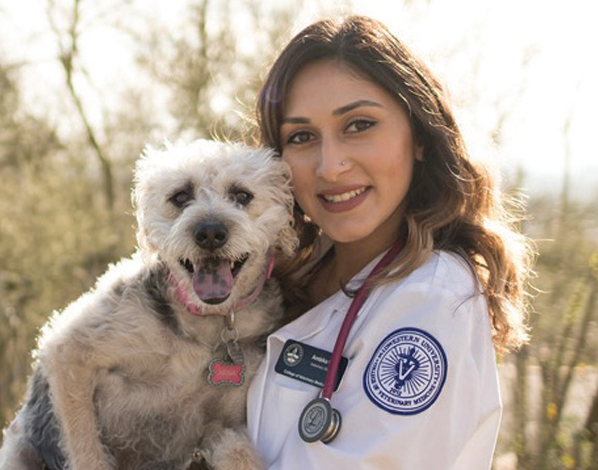
Like most veterinarians, I have always dreamed of a job in veterinary medicine. It’s an age-old tale, dreaming of being a “doctor of animals” as a young child and working hard to make that dream a reality. What is different about my story is that it takes a turn into nutrition and integrative medicine that I didn’t expect or plan.
When I turned 16 years old, I started volunteering at the local veterinary clinic to ensure I could handle the job and all it entails. Not only was it doable, but I loved it. I loved the mystery of trying to figure out what was going on with the patient with only a physical exam and a history given by their owners. I loved seeing how our treatments helped these animals feel better, and I loved how grateful people were when we helped their furry family.
I worked at that clinic for two years until I went to college for my undergraduate degree in animal science at Cal Poly, Pomona. Then, I went directly to Midwestern University in Glendale, Arizona for my Doctorate in Veterinary Medicine.
Fast forward to three years after graduation. Working as a small animal general practice veterinarian at the height of the COVID-19 pandemic, I just wasn’t happy anymore. The dream I had for two decades was finally a reality—but for some reason, I was dreading going to work and felt burnt out by clients.
I started realizing that I wasn’t practicing medicine anymore; I was treating symptoms, but not the root cause or the specific patient, and I knew that most of the medications I was prescribing were going to cause problems in the future. This is when I started to consider alternative treatments for my patients.
I started looking into a holistic/integrative approach that would benefit each patient, regardless of their symptoms. I started the journey back to school, becoming certified as a veterinary acupuncturist by the Chi University in 2024 and starting my graduate diploma in Western herbal medicine in 2023.
Meanwhile, I began working part-time at Holistic Veterinary Care in Oakland, California, under the guidance and mentorship of Dr. Gary Richter. This is when I fell back in love with veterinary medicine. I formed a deeper bond and connection with owners because I wanted to hear all the little details about their pet that could offer me a clue into what was going on.
Through careful listening and thorough physical exams, I was able to offer treatments to address root causes and the whole body—treatments I was actually proud to recommend.
Integrative medicine is still niche in the veterinary world, but I am hoping that will change soon. It’s not meant to replace modern medicine, but instead to work alongside it to provide our pets with the best care we can offer.
My primary treatments typically include acupuncture, laser therapy, nutrition, and supplements; however, if a patient has an infection, I will prescribe the antibiotic needed.
Integrative medicine has given me the opportunity to spend more time with my patients and clients and truly understand them and their relationships. It has helped me build trust, so that when I recommend a specific treatment plan that is different or “niche,” my clients have confidence in my suggestions. And, it has also helped me find joy in veterinary