If you are having trouble logging in to your account, it may be a pop-up issue. Please use Chrome or Edge to login. Click here for more information.

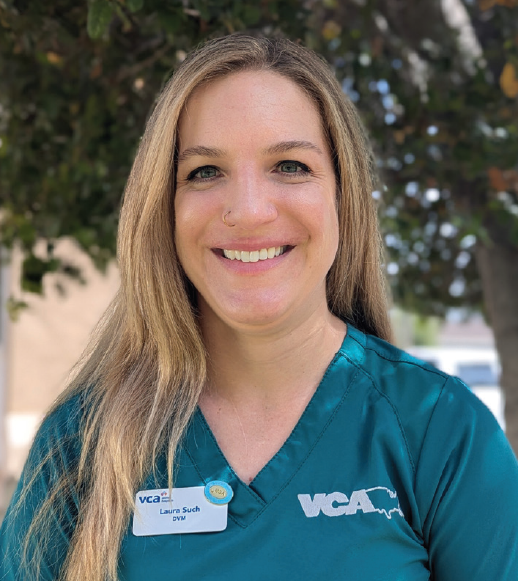
This article was originally printed in the July/August 2026 issue of the California Veterinarian magazine.
The Donald G. Low/CVMA Clinical Veterinary Medical Academy in veterinary ophthalmology at the UC Davis Weill School of Veterinary Medicine provides highly specialized training for general practitioners. I knew that I wanted to apply for the fellowship because my passion for ophthalmology never wavered after graduation from Purdue College of Veterinary Medicine in 2017. Post-graduation, I attended as many CE opportunities available for ophthalmology as I could, but the clinical and hands-on experience was lacking.
The UC Davis ophthalmology service manages a diverse caseload of small and large animals. Fellows are exposed to a wide spectrum of ocular diseases, including cataracts, glaucoma, corneal ulcers, neoplasia, and eyelid abnormalities. The diversity keeps each day exciting and interesting. During the fellowship, I was involved in exams from patient intake up to their final discharge. Each case included a minimum of three ocular exams performed by the student, resident, and faculty. This allowed for repetition that increased my confidence in performing a comprehensive ophthalmic exam. I received training in using various diagnostic tools, primarily slit-lamp biomicroscope and indirect retinal lenses. I had the added benefit of seeing advanced diagnostic techniques, such as CT, MRI, ocular CT, and ocular ultrasound, to name a few.
During my ophthalmology fellowship, I was given the opportunity to observe a wide range of advanced surgical procedures, including phacoemulsification for cataracts, corneal grafting, nasolacrimal stenting, and glaucoma valve implantation. While much of this work lies beyond the scope of what I anticipate doing day-to-day going forward, the experience was incredibly valuable. Watching these surgeries firsthand deepened my understanding of both the technical aspects and the decision-making processes involved. As a result, I now feel far more confident when discussing surgical options with owners and when coordinating referrals to ophthalmologists.
A defining feature of the fellowship is the emphasis on case discussion. Each morning started with slide rounds, where pictures from previous cases were discussed in detail with the students and the faculty. Case rounds helped me strengthen my existing medical knowledge while also exposing me to new clinical perspectives, diagnostic approaches, and treatment strategies.
After case rounds, appointments would start for the day. Each appointment involved students, residents, and faculty collaborating to determine the best course of diagnostics and treatment. This structure provided the benefit of multiple perspectives. Managing complex cases often requires coordination across services like anesthesia, oncology, and internal medicine. This collaborative approach also allowed me to interact with a variety of other departments. During my year-long fellowship, I spent over 140 hours with the ophthalmology department and was involved in over 100 cases.
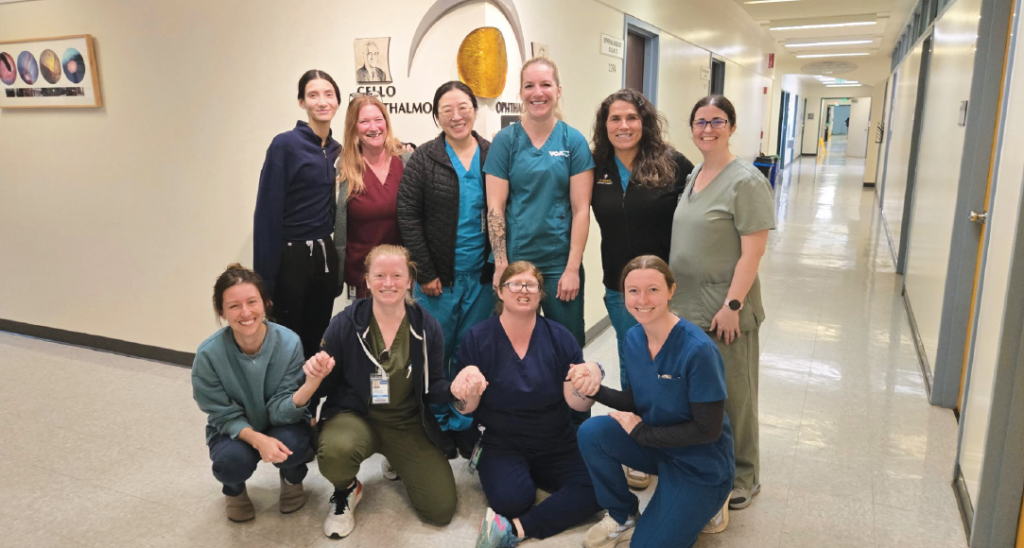
The UC Davis ophthalmology team is the definition of excellence. The way in which they interact with each other, their patients, and the students is truly impressive. They were welcoming and kind throughout my entire experience. They made me feel like I was a part of their team. I am forever indebted to them for the confidence and knowledge I now possess. I am incredibly thankful for my experience and would recommend the academy to anyone who has an interest in ophthalmology.