


If you are having trouble logging in to your account, it may be a pop-up issue. Please use Chrome or Edge to login. Click here for more information. 

Unique Insights from a Registered Veterinary Technician in Zoo Medicine

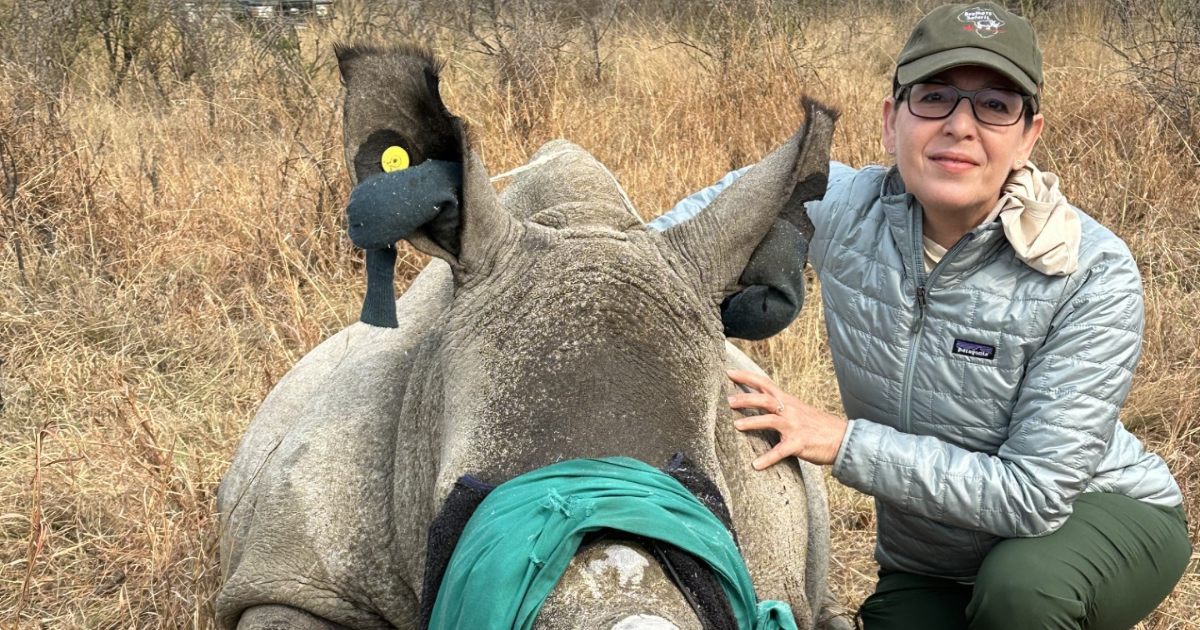
If you ask a zoo registered veterinary technician how they got to where they are today, you’ll likely hear a different path each time. The details vary, but one theme is consistent: they never gave up. For me, the dream started early. As a little girl, I told my parents I wanted to work in a zoo nursery. Frequent trips to the San Diego Zoo and Los Angeles Zoo fueled that fascination, and over time, my passion only grew stronger.

Premises Permits and Shelter Medicine: Helping Your Community, Increasing Your Scope of Practice

California shelters are facing a crisis in veterinary staffing: 60% report unfilled veterinary positions, most of which do not have any veterinarian, and therefore no premises permit, no controlled substances to treat animals, and minimal ability to provide even the most basic veterinary care. The extensive negative impacts of this shortage include prolonged lengths of stay, reduced adoptions, higher disease levels, and increased euthanasia.

Journey to VTS: Kristin Spring, BS, CVT, VTS (ECC), VTS(Anesthesia & Analgesia), CVPP

Kristin Spring earned her VTS in emergency and critical care (ECC) in 2007 and a second VTS in anesthesia and analgesia in 2010. She currently serves as the regional veterinary technician director for VCA Animal Hospitals in Northern California, supporting 25 general practice, specialty, and emergency hospitals. Kristin’s role focuses on developing veterinary technician teams, strengthening patient care, and building healthy, sustainable hospital cultures.

2025 Meritorious Service Award: Bonnie Mader

The CVMA annually honors those who have made significant contributions to the veterinary profession through a series of awards. This year, the CVMA recognized Bonnie Mader with the Meritorious Service Award, which honors service on behalf of animals, the veterinary profession, or people who celebrate and promote the human-animal bond in California.

Veterinary Beginnings: Finding Comfort in the Uncomfortable

When I was a child growing up in Southern California, one of my favorite books was James Herriot’s Treasury for Children. A veterinarian, Dr. Herriot wrote both adult and children’s stories about his cases and patients in the English countryside, and his tales of veterinary medicine inspired me to become a veterinarian myself.

Sabadoodle’s 90-Day Money Mentorship Program

Research shows that trusted financial guidance helps veterinarians thrive, not just survive. That’s why CVMA has partnered with Sabadoodle to offer the 90-Day Money Mentorship Program. Financial stress is a leading cause of burnout, especially among early-career veterinarians navigating the shift from classroom to practice. Anxiety over money can impact care quality, productivity, and retention.

Telehealth and Occupational Injuries: A New Frontier in Veterinary Workplace Care

With veterinary professionals facing physically demanding work environments, the risk of occupational injuries remains a concern. From animal handling incidents to repetitive strain injuries, the need for timely and effective medical care is critical. Fortunately, telehealth is emerging as a transformative solution in occupational medicine—offering immediate access to care, streamlining workers’ compensation claims, and supporting faster recovery for injured veterinary staff.

Smarter System, Smoother Access: Your New CVMA Membership Experience

This year, the CVMA is undergoing significant changes to update both its appearance and functionality, starting with our new logo and then transitioning to a new Association Management System (AMS). What is an AMS? Think of it like your Practice Information Management System. The AMS is a software platform that serves as the heart of the CVMA’s operations, managing membership records, event registrations, regulatory product sales, customer communications, and more.

Anesthesia Safety

General anesthetic procedures, especially those involving gas inhalant anesthesia, are regulated in California by laws enforced by the California Veterinary Medical Board (CVMB), the California Department of Industrial Relations Division of Labor Standards Enforcement (Cal/OSHA), and the California Environmental Protection Agency (CalEPA). To comply with minimum practice standards, maximize worker and patient safety, and minimize environmental impact, veterinary practices must be familiar with the laws and regulations regarding general (gas) anesthesia.

Defining the Terms of Access to Veterinary Care: Different Approaches to Meet Clinical Needs

Access to Care” is not just a trendy catchphrase—it has a long history. Common usage of the term began during the 1960s, primarily as a means to improve the availability of health care to the elderly and the poor. Related efforts to increase such access ultimately resulted in Medicare and Medicaid. Gradually, access to care has expanded to other groups that struggle to acquire adequate healthcare.

Skip to content