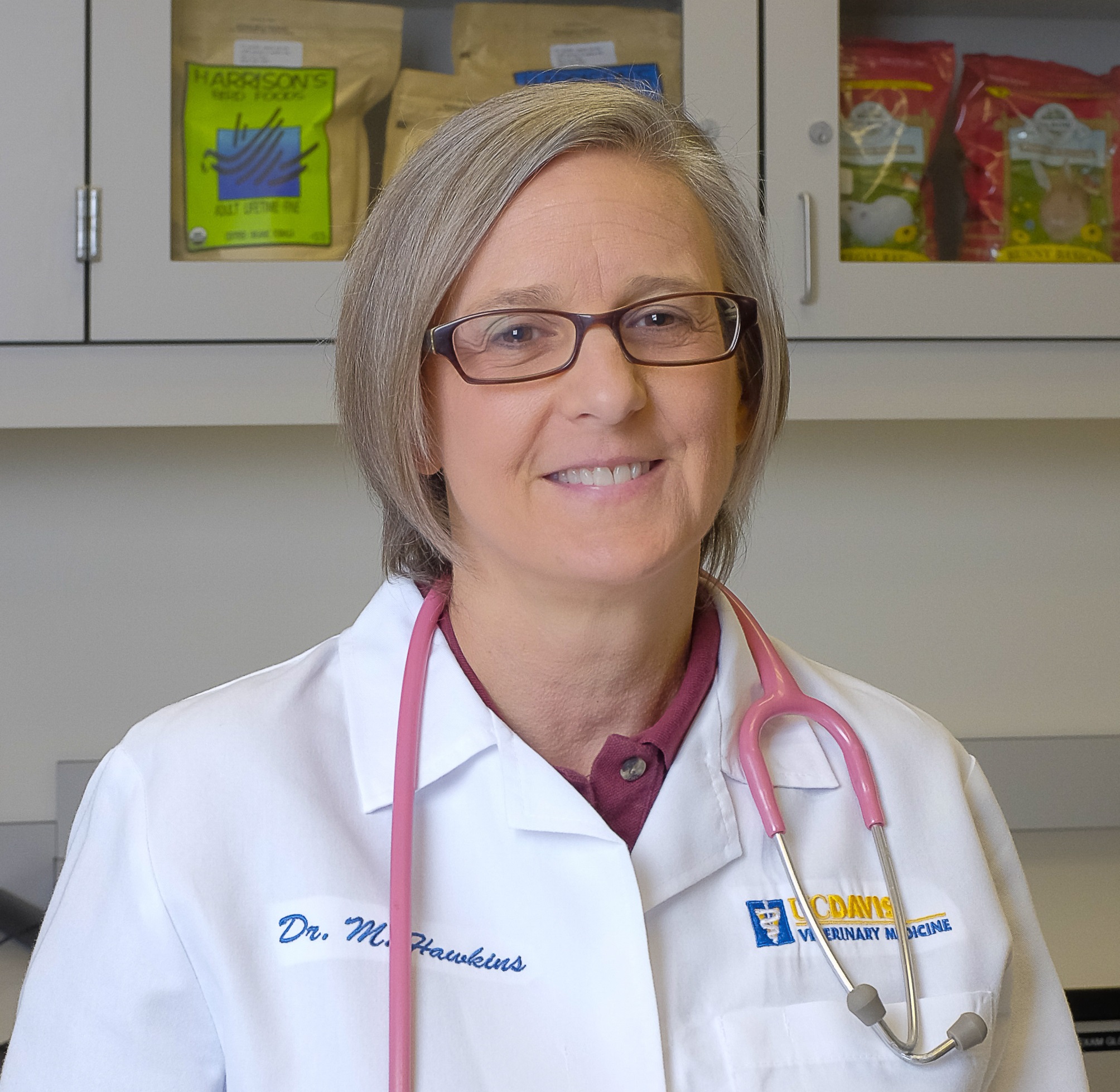
Dr. Michelle Hawkins received her veterinary degree from the University of Pennsylvania. She completed a residency and fellowship in avian and exotic animal medicine and surgery at the University of California, Davis. After two years in private exotic animal practice, she joined the faculty of the University of California, Davis School of Veterinary Medicine. She is currently a professor of avian and exotic pet medicine and surgery and the Director of the California Raptor Center. Her main research focus is in anesthesia, analgesia, and critical patient care for birds, especially raptors.
How to Perform a Physical Examination of the Bird
This presentation will provide a step-by-step guide to assessing the avian patient along with their most common diseases in the disaster setting. We will discuss clinical signs that alert the clinician to concerns for quarantining certain patients before mixing in the general patient population to avoid outbreaks of disease. Basic field diagnostics and therapeutics, including issues with prescribing medications for food-producing animals, will be discussed.
Housing and Husbandry Considerations for Birds in Disaster
Managing the housing and husbandry of multiple species of birds can be challenging in the disaster setting. Disease outbreaks can occur when species are housed together or in close quarters. Waterfowl, poultry, companion birds, and even emu and ostrich can all be presented during a disaster, and each has specific needs for food and housing. In some cases, approval from the state veterinarian is necessary for housing some species during disasters due to ongoing or recent disease outbreaks.
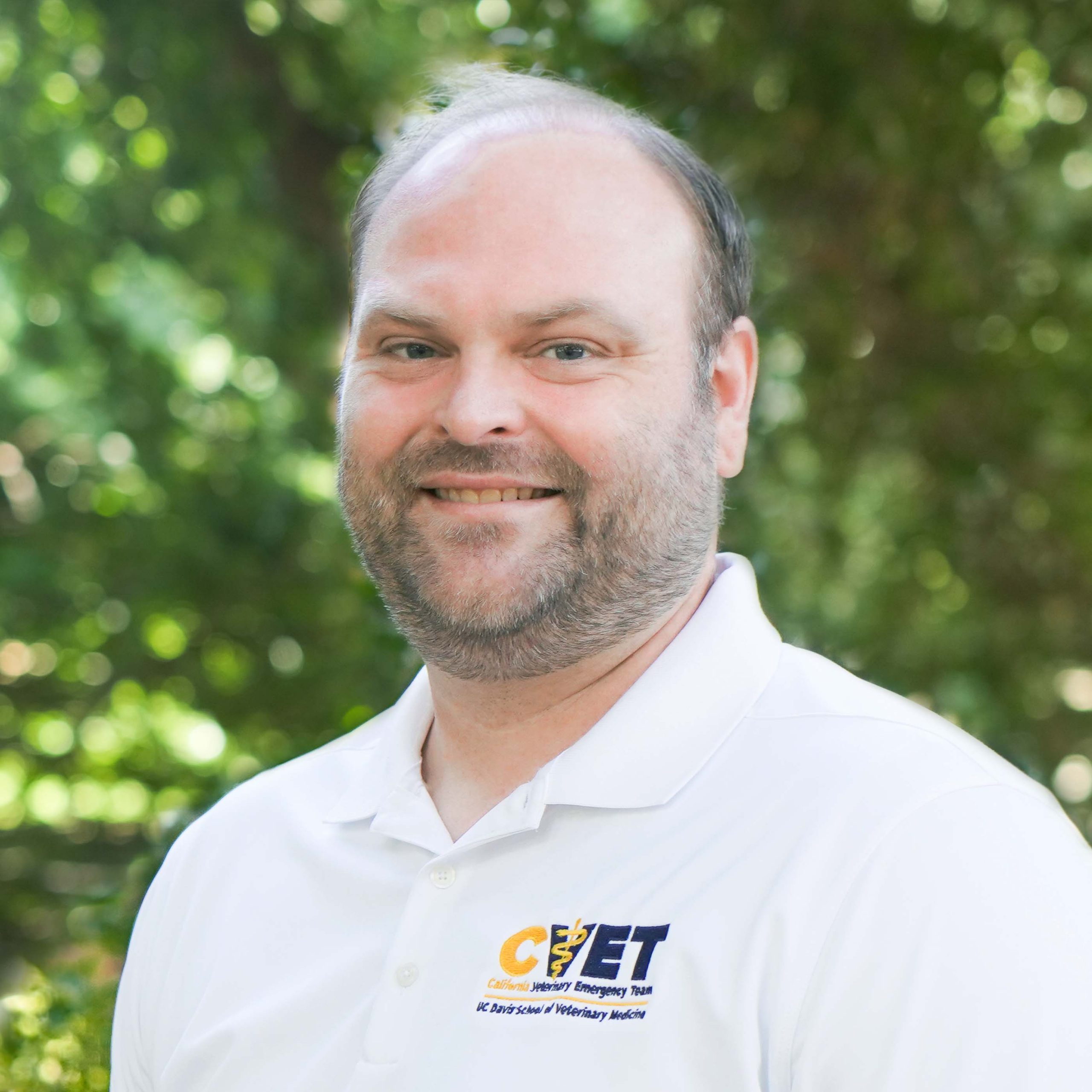
Scott serves as the Associate Director of Logistics for the California Veterinary Emergency Team (CVET), where he expands operational capacity and enhances readiness for the program’s mobile resources and rapidly growing volunteer network. Prior to joining CVET, he spent a decade with the Oiled Wildlife Care Network (OWCN), deploying to more than 20 incidents across the state and nation. Passionate about animal emergency response, Scott leverages his specialized coordination skills to scale animal operations and maximize the impact of veterinary response efforts.
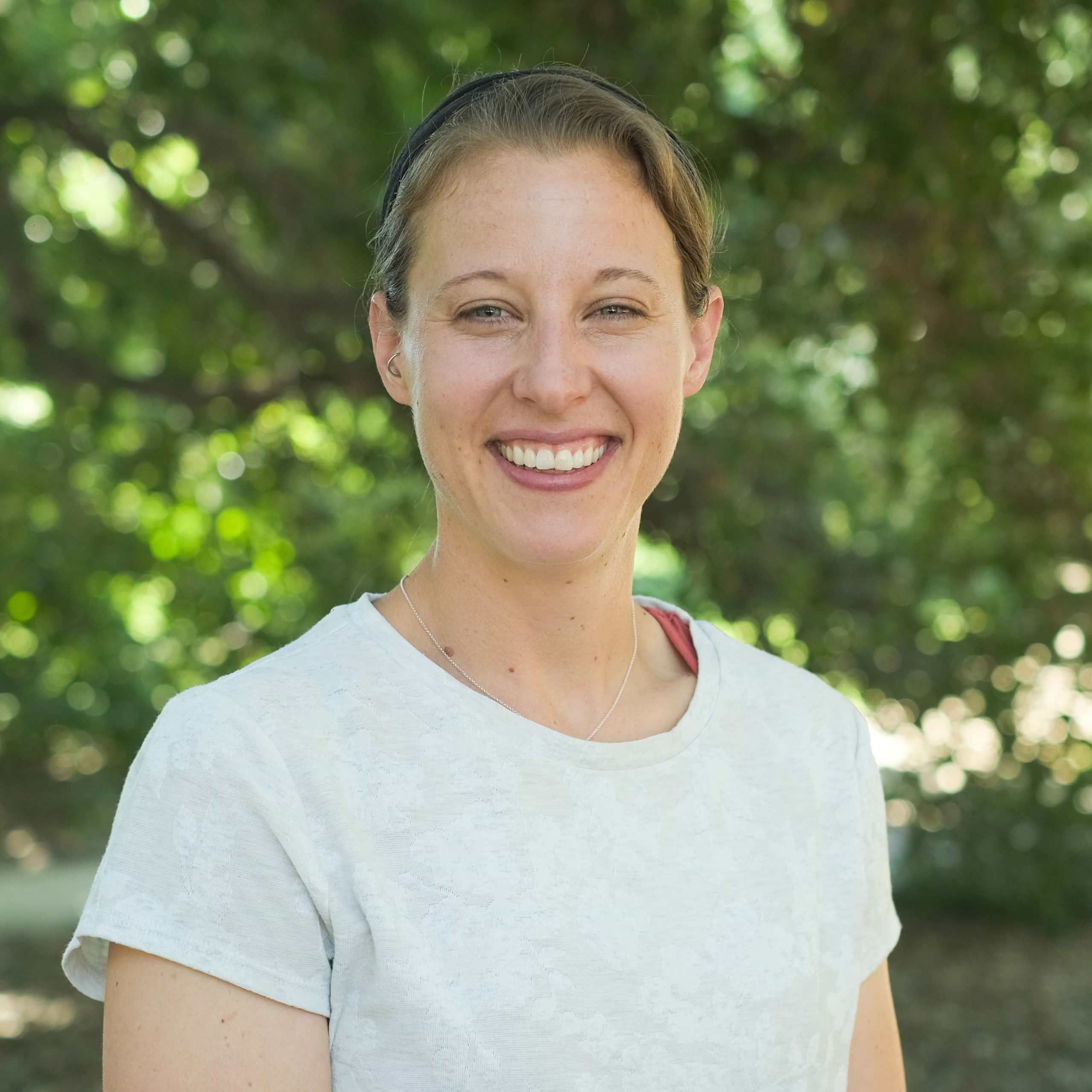
Ashley Patterson serves as the UC Davis California Veterinary Emergency Team (CVET) Associate Director of Operations. She received her DVM degree from Washington State University and her Master of Public Health from the University of Minnesota. Prior to veterinary school, Ashley earned a bachelor’s degree in Emergency Administration and Planning from the University of North Texas and worked as an emergency management and planning consultant for Witt O’Brien’s starting in 2010. Following graduation from veterinary school, Ashley worked as an emergency veterinarian in a variety of hospitals and volunteered as a disaster responder. She brings a unique combination of veterinary medicine and emergency management background and is focused on enhancing the veterinary preparedness and response capabilities for California.
CVET and CAVMRC: The Power of Partnerships with Ashley Patterson, DVM, MPH and Scott Buhl
Since the development of UC Davis’ California Veterinary Emergency Team (CVET), the partnership and collaboration with the California Veterinary Medical Reserve Corps (CAVMRC) has grown significantly. Our teams have had multiple opportunities for joint leadership engagement, collaborative training opportunities, and even a deployment. In this talk, we will review the structure, framework, and growing relationship between our two teams and how that impacts you as a responder. We will review our joint resources, training opportunities, and expectations for deployment.
California Animal Disaster Response Resources: A Growing Network to Strengthen Response with Ashley Patterson, DVM, MPH and Scott Buhl
As veterinary responders, we are focused on providing the medical care animals need. However, the success of our operations is highly dependent on the many animal response resources in the state. Over the years, the training and collaboration between Animal Services, Community Animal Response Teams (CART), and other partners have increased to support mutual aid requests around the state. This talk will provide insight into teams and resources you may (or may not!) be familiar with, and how their operations can support veterinary integration during responses.
Dr. Terence Krentz received his DVM degree from Western University of Health Sciences in Pomona. Following veterinary school, Dr. Krentz completed a rotating medicine and surgery internship before completing a three-year residency in emergency and critical care at Massachusetts Veterinary Referral Hospital. He joined SAGE in 2016. Dr. Krentz enjoys the diversity of cases he sees in emergency medicine. Within critical care, he has a particular interest in treating sepsis and polytrauma.
Title: Patient Trauma Triage and Assessment
Description coming soon!
Title: Burn Injury Assessment and Management
Description coming soon!
November 1, 2026 • 9:00 AM – 4:30 PM