 This article was originally printed in the Jan/Feb 2026 issue of the California Veterinarian magazine.
As the plane descended over the emerald cliffs and black sand beaches of Hawai’i, I felt both awe and responsibility settle in. Ahead lay ten days of volunteer service as a Mars Ambassador, partnering with PetFix to bring spay/neuter and preventive care to communities where veterinary resources are scarce.
From the air, the islands appeared connected by ribbons of ocean, yet on the ground, each community faced its own barriers: distance, cost, and access to veterinary care. I had come to help, but I also knew I was here to learn—namely, how a small team of dedicated professionals and volunteers could make a lasting difference in places where help seldom arrives.
My experience as a Mars Ambassador in Hawai’i would soon demonstrate that expanding access to veterinary care begins not with vast resources, but with shared commitment. When communities, clinicians, and volunteers unite around compassion, we create models of care that can thrive anywhere, from the rural islands of Hawai’i to our own neighborhoods in California. Prior to landing in Kona, much of my time was devoted to addressing access to care challenges close to home.
Serving on the Board of Directors for the Palm Springs Animal Shelter and practicing as an associate veterinarian in the city of Palm Springs, I have been deeply engaged in discussions with fellow clinicians and animal advocates about how to expand veterinary services within and beyond our community. My work on the shelter board has underscored the reality that even in well-resourced regions, “veterinary deserts” exist. Our goal is to keep people and their pets together by reducing the need for surrender and supporting the human–animal bond through accessible, community-based services. In clinical practice, I am accustomed to 30-minute appointments focused on balancing patient needs with client expectations.
Yet, I have become increasingly aware that many pets never reach the exam table at all—kept away not by lack of love, but by barriers like cost, transportation, language, behavioral challenges, or geographic isolation. What may appear to be a simple appointment often represents a complex web of social and practical obstacles.
I began to feel that in order to learn more about how I can make pet care more accessible within my community, I would need to look outside for answers. That is ultimately what prompted me to apply to the Mars Ambassador Program (MAP) assignment, “Spay and Neuter Across Hawaii.”
On this mission, MAP and the Banfield Foundation partnered with a nonprofit organization on Hawai’i Island, PetFix, whose goal is to address pet overpopulation by providing free spay and neuter clinics to the public. In addition to thousands of free vaccinations and microchips, PetFix has performed more than 12,000 sterilization procedures since 2020, with a growing list of over 900 dogs and 2,800 cats still waiting for their turn.
This is not only due to a veterinary shortage, but also to geographic isolation, rising cost of veterinary care, and financial constraints of the community. Offering these procedures at no cost promotes both animal longevity and precious time that owners can share with their ‘ohana, or family. I couldn’t wait to get going.
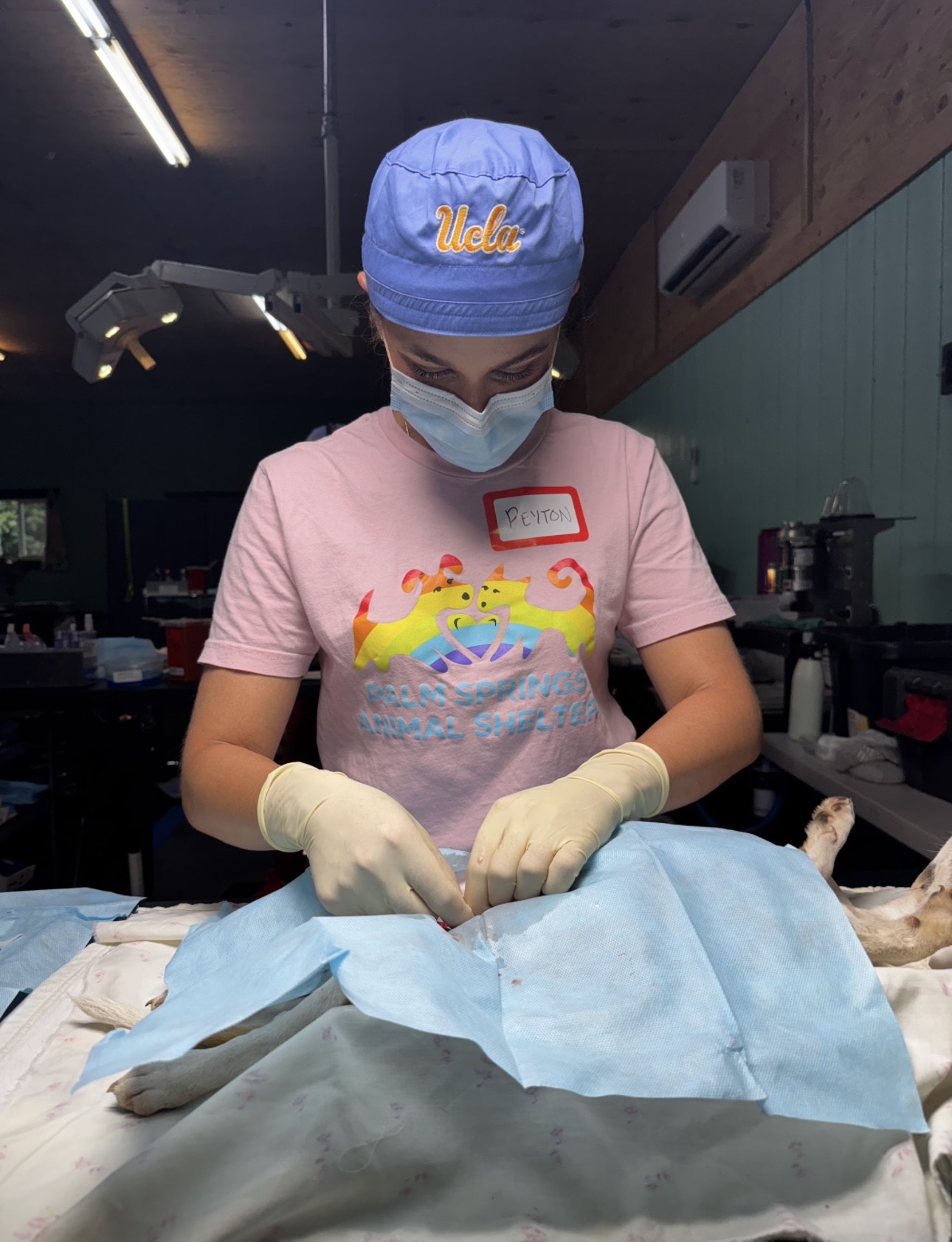
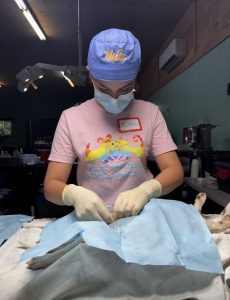
I showed up on the first day wearing athletic shorts (yep, that was a first for me!), my Palm Springs Animal Shelter T-shirt, and a glowing excitement for what was to come. Commitment to providing access to veterinary care was visible in every corner of the PetFix spay and neuter clinic. I scanned the converted warehouse—12 plastic folding tables, four anesthesia machines, and 18 community volunteers.
A dad and his teenage son were greeting owners as they checked in pets for surgery, and nobody felt like a stranger. PetFix even went the extra mile, quite literally, to ensure accessibility by visiting pet owners’ homes to pick up animals when transportation costs were prohibitive. The collective determination in the operating space was palpable, too. We clinic surgeons joked that we were like Sulley and the Scarers on the Monsters, Inc. Scare Floor, waiting for our next surgery patient like the Scarers waited for children’s closet doors to be loaded before them.
When communities, clinicians, and volunteers unite around compassion, we create models of care that can thrive anywhere, from the rural islands of Hawai’i to our own neighborhoods in California.
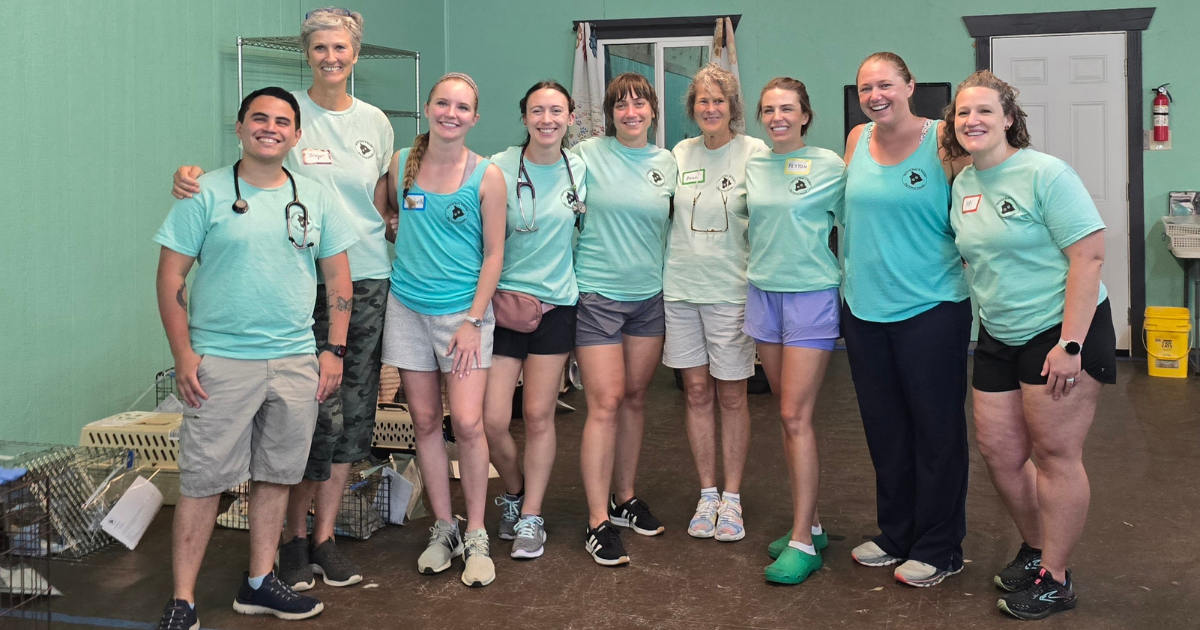
“We cut because we care!” would be our slogan. And it was true; we did care, and boy, did we cut. Each pet reunited with its owner was more motivation to keep going. Between surgeries, my colleague quietly FaceTimed her three-year-old daughter, knowing it would be too late to call once we were finished; she kept going.
I listened as a volunteer told her husband to heat up the chicken in the refrigerator because she wouldn’t make it home for dinner; she kept going. My surgery assistant, Velvet, brought me cold water bottles to wrap my hands around when they began cramping. A technician sealed the blisters on my knuckles with tissue glue so I could continue operating. These small sacrifices—acts of endurance, empathy, and teamwork—embodied the essence of PetFix’s mission.
It was a demonstration of commitment in its purest form: veterinarians, volunteers, and pet owners coming together to remove barriers and provide care to those who would otherwise go without. We performed more than 450 sterilization procedures, each one representing a life improved and a community strengthened. Returning to California, I carried with me more than the memory of long clinic days and hundreds of surgeries—I carried a renewed sense of purpose.
Inspired by the PetFix model, I began collaborating with our board to strengthen community partnerships and develop outreach programs designed to meet people where they are. Through this effort, we secured funding for a mobile veterinary unit that will travel to cities facing barriers similar to those in Hawai’i, delivering preventive and surgical care directly to underserved populations.
Even more recently, our organization procured, renovated, and opened a veterinary hospital in Desert Hot Springs—the first to serve the city’s population in more than six years. Recognizing how language can limit access to veterinary care, I recruited my bilingual UC Davis veterinary school classmate and friend to lead the hospital’s clinical team. Her ability to communicate fluently with the community has been instrumental in establishing trust and ensuring the hospital’s early success.
The MAP assignment reminded me that the future of veterinary medicine depends on our collective willingness to adapt, collaborate, and serve beyond the walls of our hospitals. Expanding access to veterinary care begins with small acts: a volunteer keeps going after a long day, a clinic opens its doors a little wider, a veterinarian chooses to meet a community’s needs with empathy rather than judgment. In our own way, we are all on that Scare Floor together—different roles, shared mission—turning dedication into the energy that keeps our profession alive.


 Skip to content