Welcome to CVMA’s new member platform! When logging in, you will need to change your password by clicking “Forgot Password” and following the prompts in the email you receive. If you do not have an email in our system, you will need to create a new account. Click here for a how-to guide to use the new platform. Please note that CVMA staff will be available to assist you Monday-Friday from 8:30 AM-5:00 PM.
Track: Equine Medicine
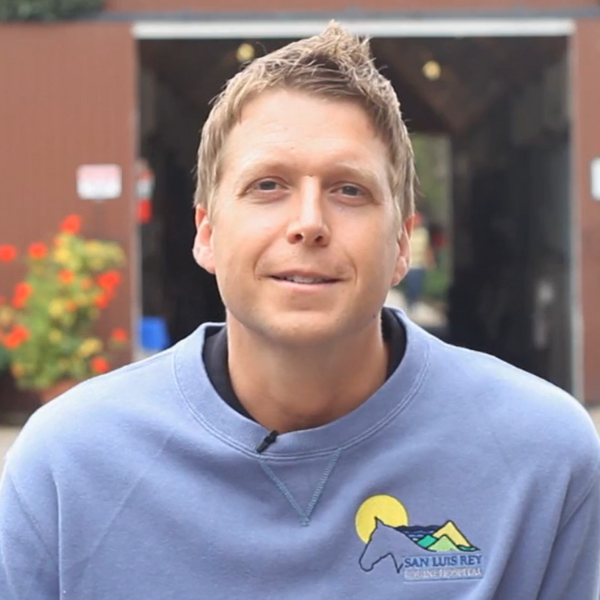
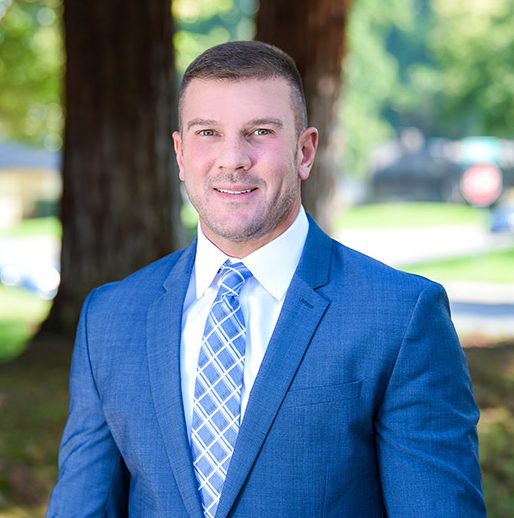
Dr. Nick Huggons earned his DVM degree from the Western College of Veterinary Medicine at the University of Saskatchewan in Canada. He went on to complete an equine specialty internship at San Luis Rey Equine Hospital (SLREH), followed by an intense, three-year equine surgical residency at the UC Davis. Dr. Huggons is board-certified and obtained Diplomate status under the American College of Veterinary Surgeons. He has significantly contributed to the advancement of equine cervical spine disease treatment and has continued to perform wobbler surgery services after taking on an ownership role at SLREH. His hospital became the second globally to offer full cervical spine imaging for live equine patients, a practice now standard at major referral hospitals.
8:00 AM-9:00 AM Sport Horse Evaluation: Incorporating Neurologic Parameters in Performance Examinations
The goal of this lecture is to reevaluate common conditions observed during performance and neurologic examinations that may have an indirect or direct link to the neurologic system. The diagnostic decision tree for possible spinal region pathology is rapidly growing, and it’s important to understand when to refer cases, what diagnostics are available at your referral center, and what that will mean for the information you, your client, and trainer will receive following a comprehensive referral workup. Some performance-related complaints that share a history with cases that have underlying neurologic conditions may, in fact, be due to axial or appendicular skeleton conditions that are not simply “wobbler syndrome.” Dissecting this information is crucial for today’s sport horse veterinarians and their clients, as we must approach cases with an open mind, understanding that horses who appear disconnected or possibly ataxic may not present this way only due to spinal cord compression. It is important to understand the expanding range of diagnostic possibilities and how to interpret this information for our horses and clients through this mix of new and traditional information.
9:05 AM-10:05 AM Advancements in Cervical Spine Pathology and Surgery: Cervical Arthrodesis
In a rapidly progressing field with new technology leading the way, it is important to revisit cervical spine pathology and how it affects the spinal cord. Lesions identified on dynamic radiology, myelogram, CT, and CT myelogram examinations will be reviewed in relation to cervical arthrodesis procedures. An overview of traditional basket surgery, its pitfalls, and the necessity for advancements in this field will be provided. Current thoughts on using intervertebral spacers with screws, and the latest developments, will be shared. We will discuss how these surgeries fit into our population of horses with spinal cord compression, insights into current outcomes, postoperative expectations, complications, and evolving information on rehabilitation.
10:30 AM-11:30 AM Advancements in Cervical Spine Pathology and Surgery: Foraminotomy
Excitement in the horse community surrounding the relatively new cervical foraminotomy procedure underscores the importance of cervical spine conditions in our horse population. A purview into cervical spine pathology and its effects on peripheral nerves in the cervical region is required to help recommend this cutting-edge procedure in our equine patients. An overview of ventral and dorsal cervical root nerve anatomy and cervical facet anatomy will be provided to help attendees understand the capabilities and limitations of the new foraminotomy procedure. We will discuss the early adoption of the surgery and current usage in the horse population. We will explore how this new technique fits into our population of horses with radiculopathy, as well as expectations for horses with spinal cord impingement or compression related to articular facet joint enlargement. Insights into current outcomes of foraminotomy patients, as well as cases with both a 3D printed implant and foraminotomy will be discussed. Post-operative expectations, complications, and evolving thoughts on rehabilitation for this surgery will also be reviewed.
11:35 AM-12:35 PM Surgical Treatment of Orthopedic Cyst-Like Structures: Accessibility, Drilling, Conventional (AO) Screw Placement, and Use of Absorbable Bone Screws
This lecture will focus on appendicular skeletal disease as it relates to subchondral cystlike lesions. These have traditionally been recognized in multiple regions of the appendicular skeleton. Advancements in radiographic techniques, CT examination, and MRI capabilities are allowing further insights into subchondral bone disease, osseous cyst-like lesions, and cartilage fissures, relating to lameness in horses. Approaches to some of these lesions can be challenging; however, thoughtful surgical planning, and in some cases, progression to absorbable bone screws, is allowing enhanced treatment. An overview of locations of cyst-like lesions and treatment options, including drilling and debriding, conventional screw placement, and the expanding use of absorbable bone screws, will be examined to help clinicians offer an expanding range of treatment options for patients affected with these conditions.
Track: Food Animal Medicine
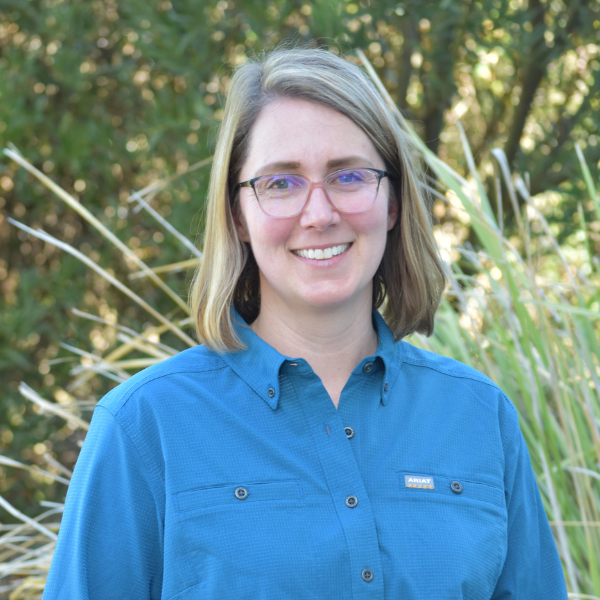
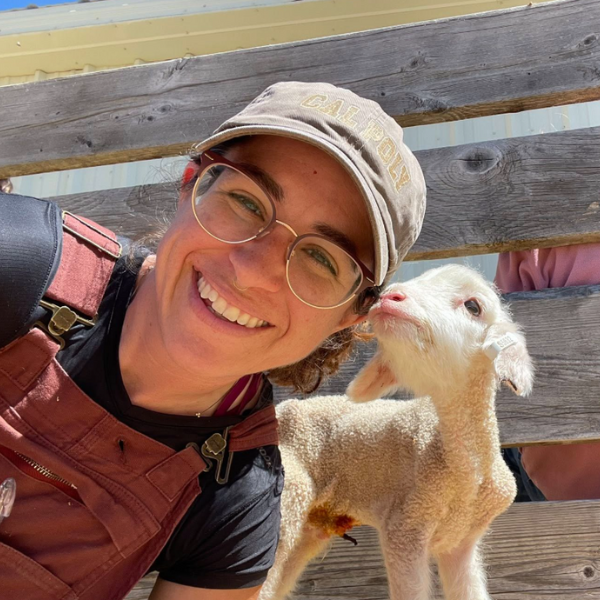
Dr. Sarah Depenbrock is an associate professor of clinical livestock medicine and surgery at the UC Davis School of Veterinary Medicine. Her primary areas of research interest are respiratory disease in calves, as well as drug use and associated residues or antimicrobial resistance in livestock species. Dr. Depenbrock completed her DVM degree at UC Davis, and her residency in livestock medicine and surgery as well as her master’s degree in veterinary clinical sciences at the Ohio State University.
8:00 AM-9:00 AM Antimicrobial Susceptibility Testing in Livestock: Tools and Clinical Interpretations‡
The clinical interpretation of antimicrobial susceptibility testing is not always as simple as S/I/R. This session will describe clinical interpretations for antimicrobial susceptibility testing in livestock, in both individual animals and groups. Topics will include susceptibility breakpoint creation, extrapolation, and clinical interpretations of example data. Examples will include assessment of susceptibility results for both cases with conditions for which breakpoints were specifically created, and cases where bacteria or conditions do not have specific breakpoints published. These topics will be discussed in both the context of individual test results and groups of results in the form of antibiograms.
‡This course satisfies the one hour of California CE requirement on the judicious use of medically important antimicrobial drugs.
9:05 AM-10:05 AM The Skinny on Pot-Bellies: Abdominal Emergencies in Pet Pigs
Pot-bellied pigs remain popular pets and can sometimes be challenging cases. Abdominal emergencies are common reasons for seeking veterinary care. Species-specific anatomy and physiology can limit the clinicians’ ability to obtain all desired diagnostic data and provide detailed monitoring, and can present challenges for clinical intervention. This session will discuss clinical decision-making and tools for diagnosis and treatment for pet pot-bellied pigs presenting with abdominal emergencies.
Track: Food Animal, Large Animal General Session
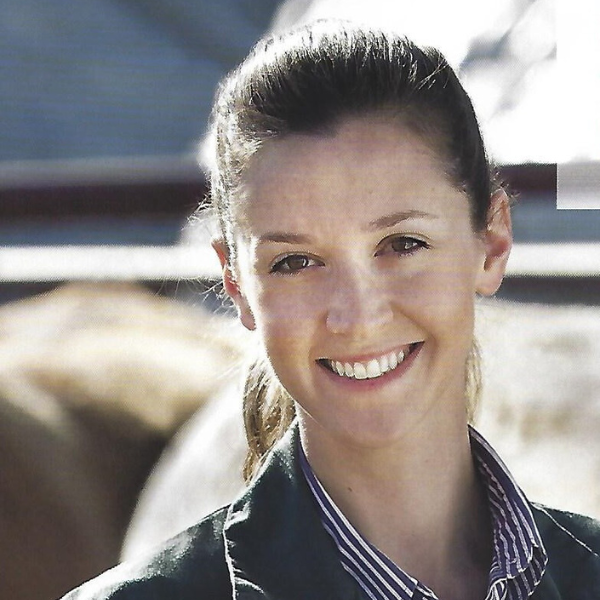
Dr. Liz Cox, a California native and 2009 UC Davis School of Veterinary Medicine graduate, leads the Animal Care Program for the California Department of Food and Agriculture, combining her passions for animal welfare and sustainable agriculture. Her career spans private dairy practice, roles with Merck and Land O’Lakes, and extensive professional leadership. She currently chairs the United States Animal Health Association’s Animal Welfare Committee and founded Calf Milk Calculator in 2025.
10:30 AM-11:30 AM Milk Math: Preweaned Calf Nutrition
Proper feeding of calves during the first 60 days of life has been shown to deliver lifelong health and productivity benefits. This presentation will review fundamental nutritional concepts, methods for evaluating milk feeding programs, and approaches to developing feeding recommendations that align with producer goals.
11:35 AM-12:35 PM Regulation of Calf Welfare Around the World
Animal welfare regulations vary internationally, and standards adopted in regions like the European Union have historically influenced U.S. consumer expectations. This presentation will highlight calf welfare requirements in Australia, New Zealand, Canada, the United Kingdom, and the European Union, and compare how those requirements are regulated.
Track: Large Animal General Session
8:00 AM-9:00 AM How Large Animal Welfare Is Regulated in California
This presentation will provide an overview of how large animal welfare is regulated in California through federal and state laws. California is unique in its state-level regulations governing farm animal care. The session will review applicable laws, enforcement authorities, and the role of veterinarians in navigating large animal welfare requirements.
9:00 AM-10:00 AM Depopulation: Update on AVMA Guidelines
Depopulation of animals should occur only in response to serious emergencies or crises. When necessary, veterinarians play a critical role in ensuring the most appropriate methods are used. The American Veterinary Medical Association (AVMA) provides species-specific depopulation guidelines for veterinarians and industry, which have recently been updated to reflect current research and accepted standards of practice.
Track: Large Animal General Sessions
Dr. Grant Miller serves as the Director of Regulatory Affairs for the California Veterinary Medical Association (CVMA), where he assists California veterinary professionals with compliance issues and regulatory matters involving various local, state, and federal agencies. In addition, Dr. Miller heads the California Veterinary Medical Reserve Corps, a volunteer organization devoted to assisting animals with sheltering and veterinary care during disasters and emergencies.
10:00 AM-11:00 AM Keeping Control of Controlled Substances: Must-Know Rules for the Large Animal Practitioner
This talk will review the federal legal requirements for large animal veterinarians who order, store, carry, administer, dispense, and prescribe controlled substances. While many controlled substance compliance consultants sell “gold standards” to practitioners, those can many times be “overkill.” This presentation informs attendees of the minimum legal requirements to assist in feasible management decisions for large animal practice.
11:00 AM-12:30 PM Forensic Investigation of Large Animal Humane Cases: It Is Easier Than You Think
Many large animal practitioners resist requests by law enforcement to assess large animal humane cases for a variety of reasons. Among them is a belief that specialized forensic training and expertise in criminal law are required. While these skills help, they are not needed to qualify a veterinarian to investigate a premises and animal in order to advise law enforcement on cases. This talk will cover the basics of large animal humane case investigations, including overarching principles of investigation and evidence collection that should be remembered, what to look for, and how to document it in a way that will prove legally substantive down the line.
Track: Food Animal Medicine
Dr. Grace VanHoy is a clinical assistant professor in the livestock medicine and surgery service at UC Davis. She received her DVM degree from Ohio State University, after which she completed an internship and residency in farm animal medicine and surgery while completing a master’s degree with an emphasis in veterinary parasitology. She is a diplomate of the American College of Veterinary Internal Medicine.
8:00 AM-9:00 AM The War on Worms I: Gastrointestinal Parasites and Diagnostics in Livestock Practice
GI parasitism is one of the most common causes of morbidity in ruminants and camelids of all ages, and is an important cause of mortality in young ruminants and camelids in the United States. In this session, we will meet the parasites and cover different in-house and send-out diagnostic options.
9:05 AM-10:05 AM The War on Worms II: Integrated Parasite Management in Livestock Practice
Several factors, such as worsening dewormer resistance and the expanding range and season of parasites, have caused parasite management to become a complex healthcare crisis. This session will focus on understanding treatment options, impactful client education, and integrated parasite management for the prevention and control of GI parasites in both production and companion livestock.
10:30 AM-11:30 AM Skin in the Game: Dermatology for the Livestock Veterinarian
Approaching dermatologic disease in livestock often seems nebulous, since many different causes can end up having similar clinical presentations, and it is often unclear where to start from a diagnostic standpoint. This session will cover the common clinical presentations, recommended on-farm diagnostic workup, and diagnostic interpretation of various skin diseases in livestock, both in individual animals and herd-level outbreaks. Treatment, management, and prevention will also be discussed in this session.
11:35 AM-12:35 PM More Ketones, More Problems: Pregnancy Toxemia in Small Ruminants
Pregnancy toxemia is a common, life-threatening disease in small ruminants that can range from mild to severe at the time of veterinary exam. Prompt assessment of clinical signs and diagnostic testing are of paramount importance to early recognition and safe intervention. Concurrent assessment and treatment of comorbidities is necessary to maximize the likelihood of a positive case outcome. This session will focus on recognizing, treating, and preventing pregnancy toxemia.
Track: Equine Medicine
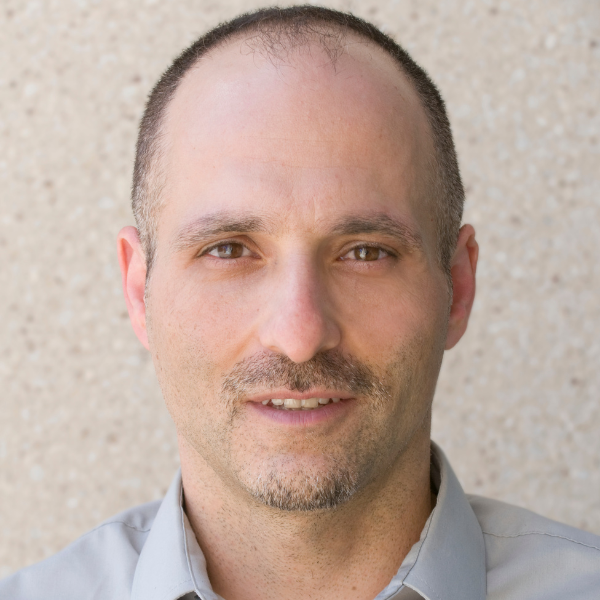
Dr. K. Gary Magdesian the Roberta A. and Carla Henry Endowed Chair in emergency medicine and critical care at UC Davis School of Veterinary Medicine. He serves as chief of equine neonatology and critical care in the William R. Pritchard Veterinary Medical Teaching Hospital in Davis, California. He earned his DVM degree at UC Davis, completed a rotating internship at Texas A&M University, and returned to UC Davis for his residencies. His clinical and research expertise encompasses equine internal medicine, critical care, neonatology, and pharmacology.
8:00 AM-9:00 AM Judicious Use of Antimicrobials for the Equine Practitioner‡
This talk will review a thoughtful approach to antimicrobial use in equine practice. When are antimicrobials unnecessary? How can I partner with clients in antimicrobial stewardship? Which antimicrobials should be targeted and for how long?
‡This course satisfies the one hour of California CE requirement on the judicious use of medically important antimicrobial drugs.
9:00 AM-10:00 AM What’s New in Equine Genetic Testing
This talk will review the newest genetic tests available for medical conditions in horses. We will bridge the clinical syndromes with the genetic mutations and discuss how to interpret test results.
10:00 AM-11:00 AM New or Different Findings and Approaches to Diarrhea and Colitis
This talk will review the causes of colitis in horses, focusing on infectious diseases. We will center on new diseases or agents that cause diarrhea and colitis, as well as review long-known etiologies. We will also discuss new or renewed treatments and approaches to management.
11:00 AM-12:30 PM Case-Based Review: Antibiotics, Fluids, and Diarrhea
This talk will use case examples to illustrate concepts discussed in earlier lectures, providing a practical, case-based view of diagnostic and therapeutics as they apply to antimicrobial use and colitis/diarrhea in horses.