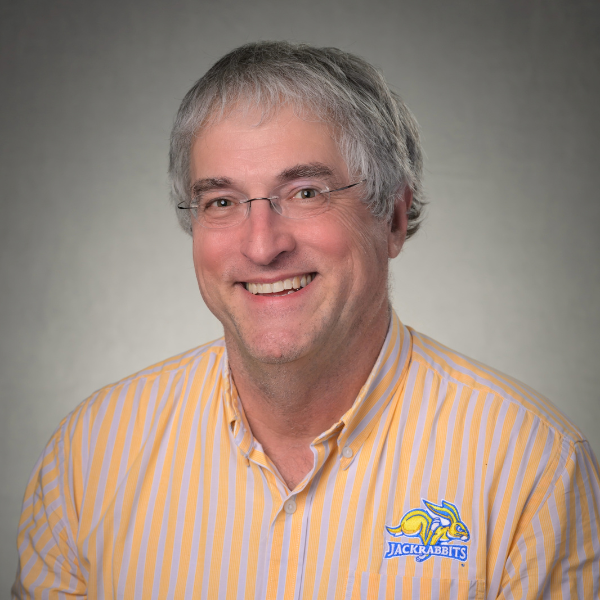
Dr. Chris Chase is a professor emeritus of veterinary and biomedical science at South Dakota State University (SDSU), where he has worked since 1992. He received his DVM degree from Iowa State University and his MS and PhD degrees from the University of Wisconsin-Madison. He was involved in bovine clinical practice and consulting for almost 30 years. His research and diagnostic interests are in immunology, respiratory disease pathogenesis, emerging diseases of cattle, and vaccine development. Dr. Chase co-founded and serves as the Chief Scientific Officer for ClinVet-South Dakota, an animal health contract research organization established in 1994 that conducts studies in poultry, swine, and cattle.
08:00 AM-09:00 AM Enteric Immunity: Happy Gut, Healthy Animal
This presentation will focus on applying the latest information on the role of the immune system in maintaining health. We will discuss the integration of the immune components and microbiome.
09:05 AM-10:05 AM Acceptable Young Calf Vaccination Strategies—What, When, and How?
This talk will focus on rethinking the overall approach to vaccines, with a focus on expanding antigens (e.g., modified live and nucleic acid vaccines) and fixed antigens (e.g., inactivated and subunit vaccines), each with distinct immune response mechanisms. This talk will increase your understanding of the mechanisms of immune activation in expanding antigen vaccines and fixed antigen vaccines. The “adjuvant effect” in vaccines and their targeted effects on immune response will also be discussed.
10:30 AM-11:30 AM Immunology: The Bad and the Ugly of the Immune Response
With immunology, can we have too much of a good thing? This talk will provide background on cytokine storm—a perfect storm involving a physiological component (negative energy balance) along with microbiome changes in the gut (diet change), leading to severe respiratory disease. Ultimately, it affects inflammatory pathways, resulting in increased disease severity. We will discuss what can be done to improve mucosal barriers and explore the roles of stressors and leaky gut.
11:35 AM-12:35 PM Viral Infections and Their Implications for Bovine Respiratory Disease
Bovine respiratory disease (BRD) is a multifactorial syndrome driven by viral replication, secondary bacterial infections, and dysregulated host immune responses, resulting in significant morbidity and mortality. Viral infections frequently predispose cattle to secondary bacterial infections, increasing reliance on antimicrobial therapy and contributing to the growing global concern of antimicrobial resistance. Targeting mechanisms that preserve immune homeostasis during viral infection and stress represents a critical and promising strategy to reduce BRD severity, limit antimicrobial use, and improve overall herd health outcomes.

Dr. Emily Coffey is an assistant professor of small animal internal medicine whose research focuses on understanding the role of the microbiome in health and disease. Dr. Coffey has a particular interest in the microbiome of urine and the effects of host microbial communities and biological metabolites on urinary stone formation. She hopes to apply discoveries about the microbiome to improve health care for both humans and animals.
08:00 AM-09:00 AM The Urinary Microbiome: How Microbes Promote Urinary Health
Discover how our understanding of the urinary tract has changed with the recognition of resident microbial communities. In this session, we will explore what is currently known about canine and feline urinary microbiomes, how microbes may contribute to urinary health and disease, and common talking points for owners.
09:05 AM-10:05 AM Urinary Tract Infections: When Microbes Promote Disease
Revisit concepts of urinary tract infections (UTIs) through the lens of the microbiome, challenging traditional concepts of bacteriuria and infection. We will explore practical approaches to diagnosing and managing UTIs, antimicrobial stewardship, and treatment failure, with an emphasis on emerging research and the approach to challenging cases.
10:30 AM-11:30 AM The Science of Stones: Understanding Why Uroliths Form
Revisit the physiology underlying urolith formation and explore how urine chemistry, genetics, diet, infection, and other risk factors contribute to different types of urinary stones. In this session, you will learn how to leverage clinical clues and other available tools to predict stone composition when analysis is unavailable, and explore emerging research that is reshaping our understanding of urolithiasis.
11:35 AM-12:35 PM The Practice of Stones: Tips and Tricks for Stone Management
Put urolith science into practice with practical strategies for managing dogs and cats with urinary stones. Explore approaches to stone removal, dissolution, and recurrence prevention, while recognizing common myths. Case-based examples will highlight how to translate stone composition and patient-specific risk factors into individualized management plans.
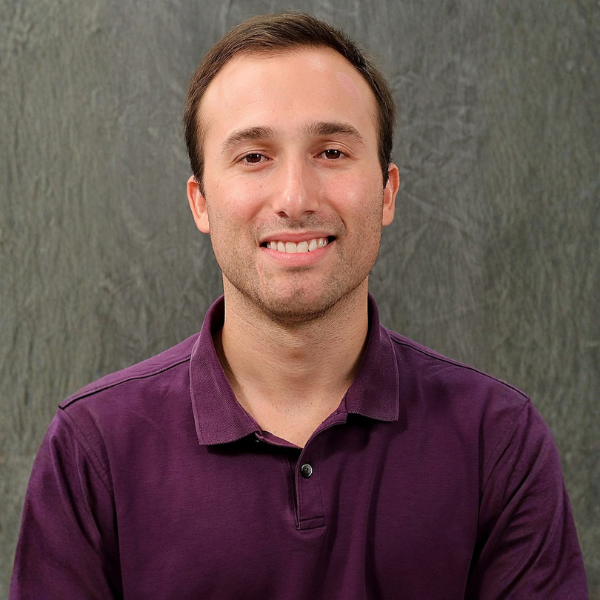
Dr. Luis Rivero is originally from San Juan, Puerto Rico. Currently, Dr. Rivero is an assistant professor of food animal medicine and surgery at the University of Missouri, Columbia. He holds a DVM degree from Virginia-Maryland College of Veterinary Medicine and an MS degree from the University of Missouri, Columbia. He is a diplomate of the American College of Veterinary Internal Medicine – Large Animal.
08:00 AM-09:00 AM Blood Transfusions in Ruminants
Blood transfusion can be lifesaving in critically ill ruminants, but successful therapy requires appropriate patient selection and practical decision-making. This session reviews indications, donor selection, blood collection, compatibility, transfusion techniques, monitoring, and management of adverse reactions, with emphasis on evidence-based, field-applicable approaches.
09:05 AM-10:05 AM Cesarean Sections in Ruminants
Cesarean section is an essential procedure for managing dystocia in ruminants. This session reviews case selection, timing of intervention, surgical approaches, anesthesia and analgesia, operative techniques, and postoperative care. Emphasis will be placed on practical strategies for minimizing complications and optimizing maternal and neonatal outcomes.
10:30 AM-11:30 AM Evaluation, Diagnosis, and Management of Common Cardiac Diseases in Ruminants
Cardiac disease in ruminants presents unique diagnostic and therapeutic challenges. This session reviews practical approaches to cardiovascular examination, diagnostic testing, and recognition of common cardiac disorders. Emphasis will be placed on interpreting clinical findings, establishing a diagnosis, determining prognosis, and developing practical management strategies.
11:35 AM-12:35 PM Neurologic Disease in Ruminants
This session reviews a systematic approach to neurologic examination, lesion localization, and differential diagnosis. Following this, practical case-based examples will be utilized to discuss common neurologic disorders with an emphasis on selecting appropriate diagnostics, establishing prognosis, and developing practical treatment and management strategies.
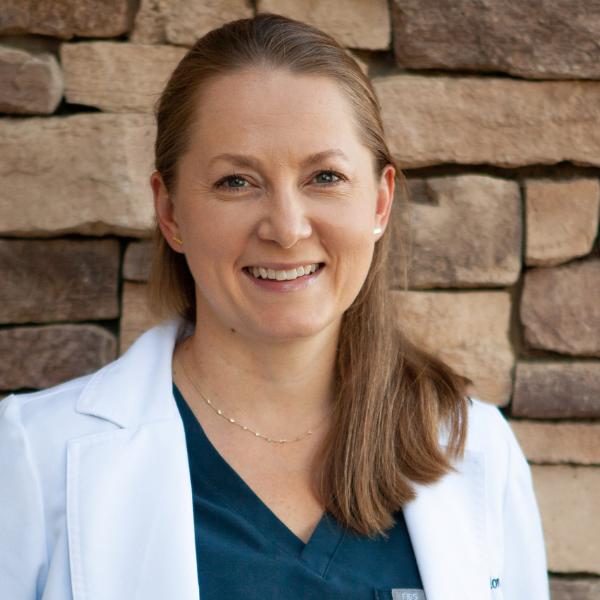
Dr. Ann Della Maggiore received her DVM degree from UC Davis, after which she completed an internship in small animal medicine and surgery at Veterinary Medical and Surgical Group in Ventura, California. Dr. Della Maggiore then completed her small animal internal medicine residency at UC Davis and became board-certified in internal medicine. Dr. Della Maggiore took a clinical faculty position and transitioned to the role of assistant professor of clinical internal medicine in the Department of Medicine and Epidemiology. Her research and clinical interests are in small animal endocrinology. Dr. Della Maggiore now practices internal medicine at MarQueen Pet Emergency and Specialty Group, a private referral practice in Roseville, California.
08:00 AM-09:00 AM Sweet Success: An Internist’s Blueprint for Managing Diabetic Dogs and Cats
Diabetic management doesn’t have to be overwhelming for your team or your clients. This session provides a practical framework for treating small animal diabetes by focusing on quality of life and owner compliance. Gain insights into the latest clinical guidelines, compare modern insulin choices, and learn how to seamlessly integrate continuous glucose monitoring into your standard practice protocols.
09:05 AM-10:05 AM Beyond the Needle: How SGLT2 Inhibitors Are Transforming Feline Diabetes Care
This lecture explores the science and clinical utility of SGLT2 inhibitors in feline diabetic management. We will break down exactly how these oral medications work, outline patient selection criteria, and discuss their expanding role in complicated scenarios, including the management of acromegalic cats.
10:30 AM-11:30 AM Endocrine Neoplasia in Dogs: Real-World Symptoms, Workups, and Treatments
This lecture overview summarizes the clinical features of non-adrenal canine endocrine neoplasia, focusing on the thyroid, parathyroid, and pancreas glands. Endocrine tumors can be functional (hormone-secreting) or non-functional, with treatment and diagnostic protocols varying significantly depending on the anatomical site and biological behavior.
11:35 AM-12:35 PM Canine and Feline Adrenal Tumors: Diagnostic Dilemmas and Therapeutic Choices
Adrenal tumors in dogs and cats present complex clinical challenges between hormone hypersecretion and local vascular involvement. While canine cases frequently involve functional adrenocortical tumors (causing Cushing’s syndrome) or pheochromocytomas, feline adrenal neoplasms often present as primary hyperaldosteronism (Conn’s syndrome). Effective management relies on distinguishing functional from non-functional masses, identifying vascular involvement with advanced imaging, and balancing aggressive surgical risks against medical alternatives.
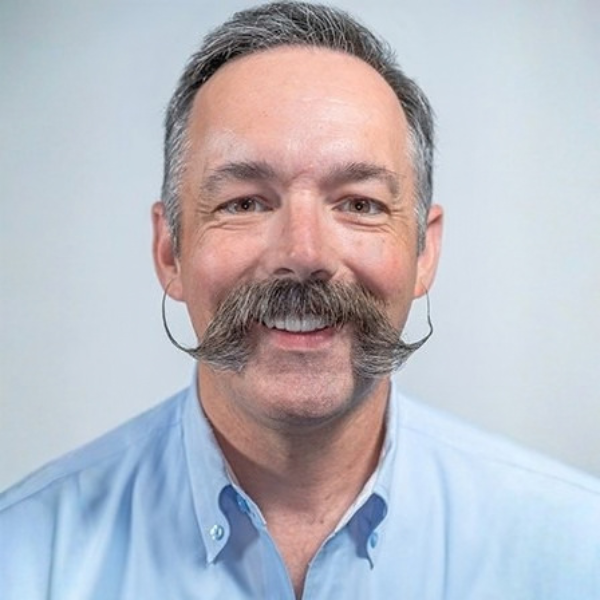
Dr. Bret McNabb graduated from the UC Davis Weill School of Veterinary Medicine, where he focused on large animal medicine. After graduation, he practiced large animal medicine in Montana before returning to UC Davis and completing a residency in livestock herd health and reproduction and a master’s degree in preventative veterinary medicine. Dr. McNabb is a board-certified diplomate of the American College of Theriogenologists and a board-certified diplomate of the American Board of Veterinary Practitioners (Food Animal Practice). Today, Dr. McNabb is a professor of clinical livestock reproduction and the director of the large animal hospital at the William R. Pritchard Veterinary Medical Teaching Hospital at UC Davis.
08:00 AM-09:00 AM Update on Epizootic Bovine Abortion (Foothill Abortion)
Epizootic bovine abortion (EBA) has been a mysterious and frustrating cause of late-term abortion in beef cattle for over 120 years in California and Nevada (though we are now seeing evidence of disease in other states where it has not been previously recognized). In this session, we will discuss the history of this disease, current knowledge and clinical manifestations of EBA, and appropriate use of the recently approved vaccine.
09:05 AM-10:05 AM Bull Breeding Soundness Exams and Venereal Disease
This session offers a review and update on the components of a bull breeding soundness examination. We will discuss decision-making when it comes time for final classification of the male. Additionally, we will cover the diagnosis and management of male venereal diseases, specifically Tritrichomonas foetus in bulls.
10:30 AM-11:30 AM Management of Brucella Ovis in Commercial Sheep Flocks
Brucella ovis continues to plague West Coast sheep flocks. We will discuss the clinical signs of Brucella ovis on an individual and flock level, as well as diagnostics and control strategies.
11:35 AM-12:35 PM Veterinary Medicine for Livestock Fairs and Shows
Being the fair veterinarian can be stressful and challenging. We will discuss the approach to practicing in a public setting, conducting entrance health exams, drug residue testing, ensuring pre-harvest food safety, addressing show ethics, and the unique opportunity to educate the public on livestock production.

Dr. Katie Tolbert is an associate professor in the Gastrointestinal Laboratory at Texas A&M University. She completed her small animal internal medicine residency and PhD at North Carolina State University and later completed an alternate-track residency in small animal nutrition at the University of Tennessee. Dr. Tolbert serves as an adjunct professor at the University of Tennessee and North Carolina State University, maintaining strong academic ties across multiple institutions. She is also an active member of the Dog Aging Project, which contributes to groundbreaking research on canine longevity and health. She is the Royal Canin Small Animal Clinical Nutrition Chair at TAMU, co-chair of the feline scientific advisory board for the Morris Animal Foundation, and a member of the EveryCat scientific advisory board.
08:00 AM-09:00 AM Tips and Tricks to Manage Diarrheic Flares for Dogs with Chronic Enteropathy
Description coming soon!
09:05 AM-10:05 AM Review of Aerodigestive Disorders: What Are They and How Do We Treat Them?
Description coming soon!
10:30 AM-11:30 AM Protein-Losing Enteropathy: How to Diagnose and Treat
Description coming soon!
11:35 AM-12:35 PM Dysbiosis: What It Is and How to Navigate Its Diagnosis and Treatment
Description coming soon!