This article was originally printed in the Jan/Feb 2026 issue of the California Veterinarian magazine.
The sound of helicopter blades cutting through the South African sky signaled the start of our mission. Below, a team of veterinarians, naturalists, and anti-poaching officers prepared to do something that has become heartbreakingly necessary for one of the planet’s most iconic species: remove a rhino’s horn to save its life.
A Species Under Siege
Rhinoceroses have faced relentless pressure from poachers since 2008, when demand for rhino horn surged across international black markets. Though poaching numbers have declined since peaking in 2015, last year’s figures were still double those seen before the crisis began.
Falsely touted for its supposed medicinal benefits and prized as a status symbol, rhino horn fuels a multimillion-dollar illegal trade run by sophisticated criminal syndicates. The threat is so pervasive that some wildlife reserves in South Africa resort to polygraph testing when hiring, fearing poachers might infiltrate their staff to gain access to rhino locations. Even natural history museums have reported thefts of taxidermy specimens for their horns.
South Africa’s Front Line
South Africa, home to the majority of the world’s remaining rhinos, has been hit hardest—especially the province of KwaZulu-Natal, where poaching losses are devastating. Desperate times have led to an effective but bittersweet anti-poaching measure: dehorning, during which the rhino is sedated and its horn sawed off. A recent study in Science found that dehorning could reduce poaching by nearly 78%, while costing a fraction of other protective measures like ranger patrols, drones, or surveillance cameras.
Unfortunately, those who protect the rhinos often become targets themselves. These are the quiet heroes working under constant threat, their dedication and courage often hidden from public view.
Joining the Effort
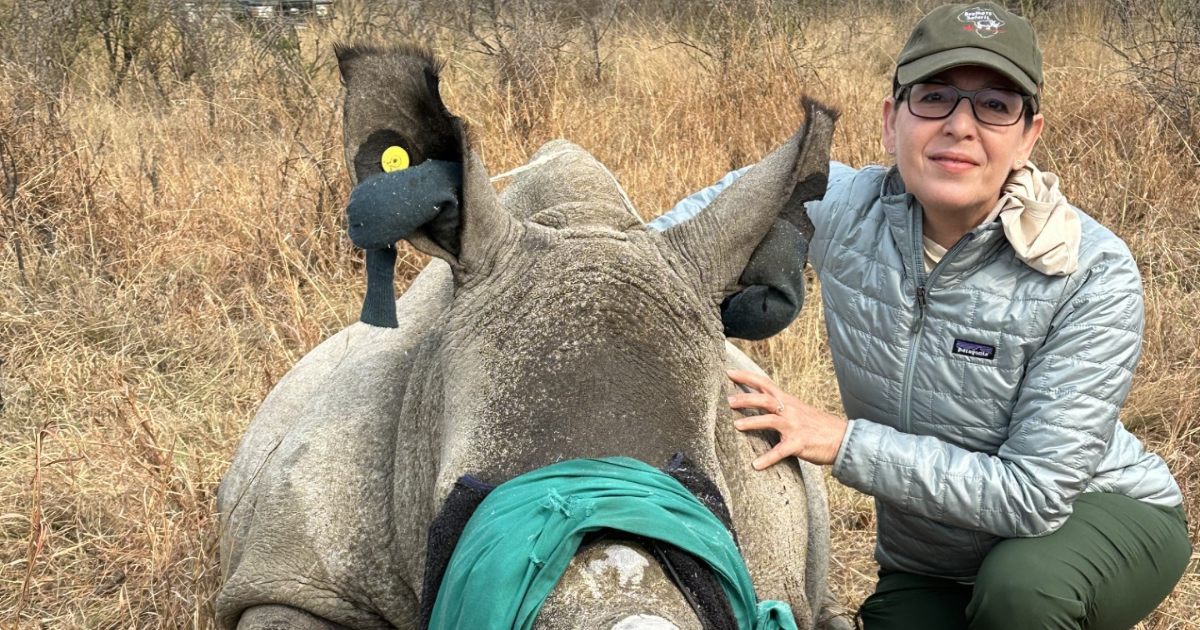
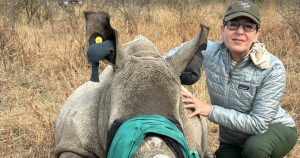
Last August, I had the privilege of joining Dr. Peter Brothers, a respected South African wildlife veterinarian, on one such mission. Our goal: perform humane dehorning procedures to give these magnificent animals a fighting chance.
Our team included:
- A helicopter and pilot, whose precision allowed safe darting of rhinos from the air and cleared nearby animals from the site.
- The reserve’s Anti-Poaching Unit, who worked around the clock, armed and alert, to guard the rhinos. Their identities remain undisclosed for their own safety—and for that of the rhinos.
- Naturalists, who carefully collected the removed horns, each microchipped and DNA-tested before secure storage.
- Veterinarians, responsible for sedation, dehorning, microchipping, ear notching, and reversal of anesthesia.
- Volunteers, who monitored vital signs, kept detailed records, and assisted wherever needed.
The Value of What’s Lost
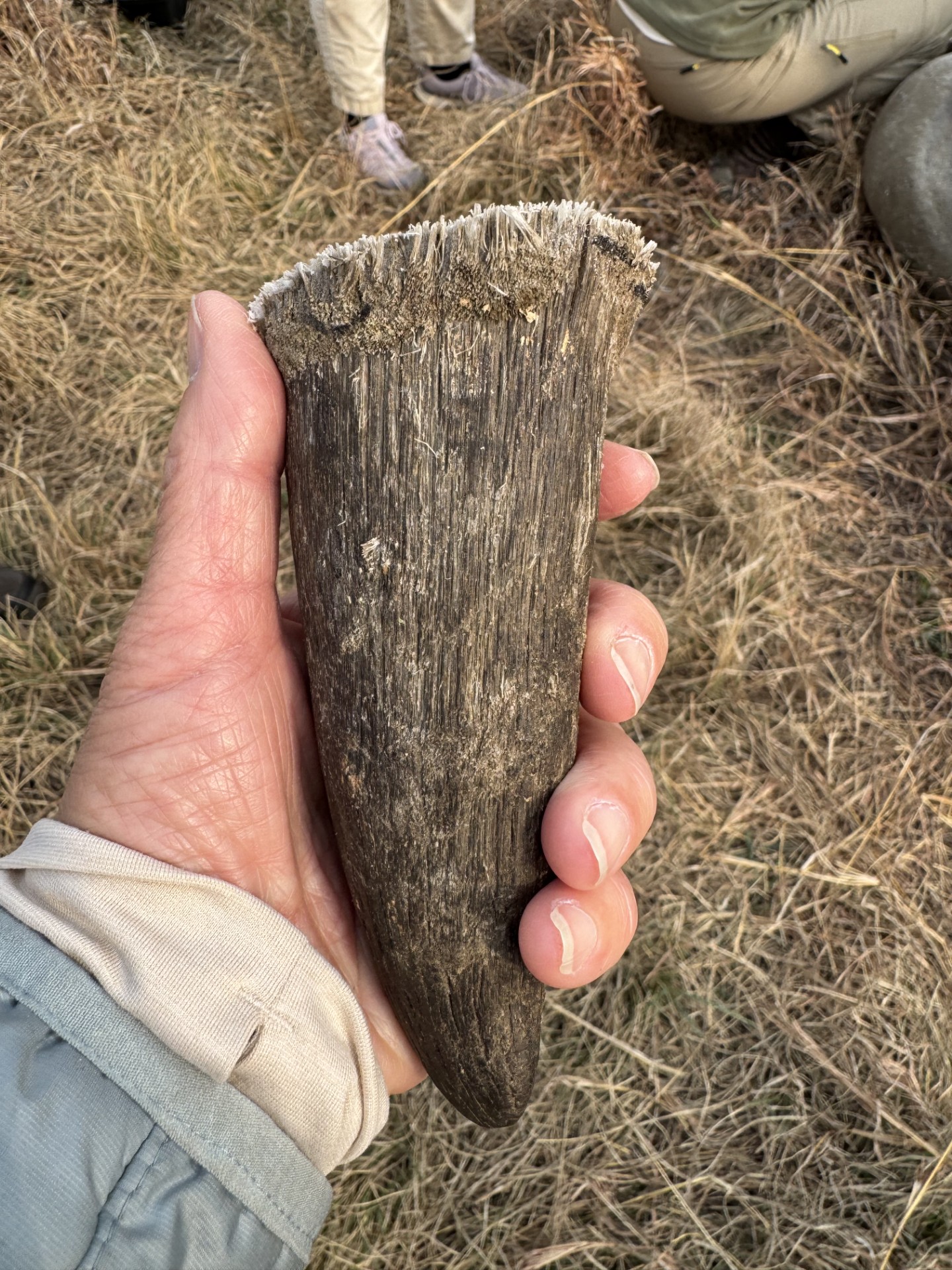
Rhino horns are made of keratin—the same protein as human hair and nails—and they do grow back. However, even dehorned rhinos remain targets once their horns begin to regrow, typically within 18 months. During our trip, a large male underwent a repeat dehorning. His horn weighed about two pounds, with an estimated street value of $100,000 USD—a sobering reminder of why this work remains so dangerous and so necessary.
Reflections Beyond the Field
Before traveling to South Africa, I had a personal goal beyond conservation: finding a better work-life balance through volunteering. My background includes zoo and aquarium medicine, but as a single parent I’ve built my career in small animal practice. Volunteering reignited my passion for wildlife work and reminded me how deeply purpose and service contribute to our own well-being.
Spending time on projects that align with our values not only strengthens our profession—it restores us as people. Stay tuned for news about a new initiative I’m developing to connect veterinarians with opportunities that support environmental conservation and personal renewal. When veterinarians thrive, so does the world we care for.



 Skip to content