


Welcome to CVMA’s new member platform! When logging in, you will need to change your password by clicking “Forgot Password” and following the prompts in the email you receive. If you do not have an email in our system, you will need to create a new account. Click here for a how-to guide to use the new platform. Please note that CVMA staff will be available to assist you Monday-Friday from 8:30 AM-5:00 PM. 

VISC Has You Covered: Partnership Over Policies

Change in the insurance world can sometimes feel unsettling, especially when it happens without warning. Recently, CNA made the decision to non-renew a number of policies for Veterinary Insurance Services Company (VISC) insureds. We want to emphasize one very important fact: This decision is in no way a reflection on you, your practice, or the way you operate. Our insureds did nothing wrong.

Telehealth and Occupational Injuries: A New Frontier in Veterinary Workplace Care

With veterinary professionals facing physically demanding work environments, the risk of occupational injuries remains a concern. From animal handling incidents to repetitive strain injuries, the need for timely and effective medical care is critical. Fortunately, telehealth is emerging as a transformative solution in occupational medicine—offering immediate access to care, streamlining workers’ compensation claims, and supporting faster recovery for injured veterinary staff.

INSURING THE MODERN VETERINARY PRACTICE: Adapting Coverage for Today’s Trends

Veterinary medicine is changing—fast. From telemedicine and mobile services to evolving employee expectations, today’s veterinary practice looks very different than it did just a few years ago. But while clinical innovation charges ahead, one critical area often lags behind: insurance. Many practices are still relying on outdated policies that no longer match how they operate, leaving significant gaps in protection.

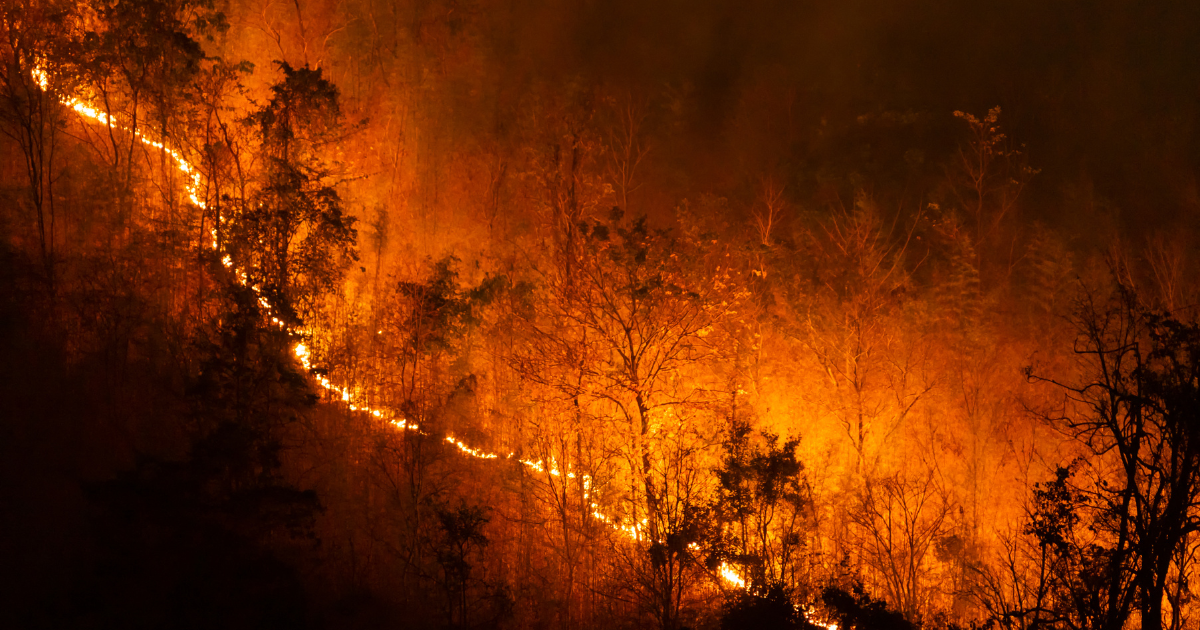
Breathe Easy: Protecting Yourself from Wildfire Smoke

Wildfires have become a frequent and heartbreaking reality in California. As of May 6, 2025, Cal Fire reports 63,677 acres burned and 16,251 structures destroyed by 1,292 fires this year alone. Many Californians have and will continue to face evacuation and loss, making this an increasingly challenging problem.

WHY EVERY VETERINARY PRACTICE NEEDS BUSINESS INSURANCE: Protect Your Passion with the Right Coverage

Owning a veterinary practice is not just about making a living—it’s about making a difference in the lives of your patients and their owners. But running a successful practice also involves managing the risks that come with caring for animals and interacting with clients. That’s where business insurance comes in.

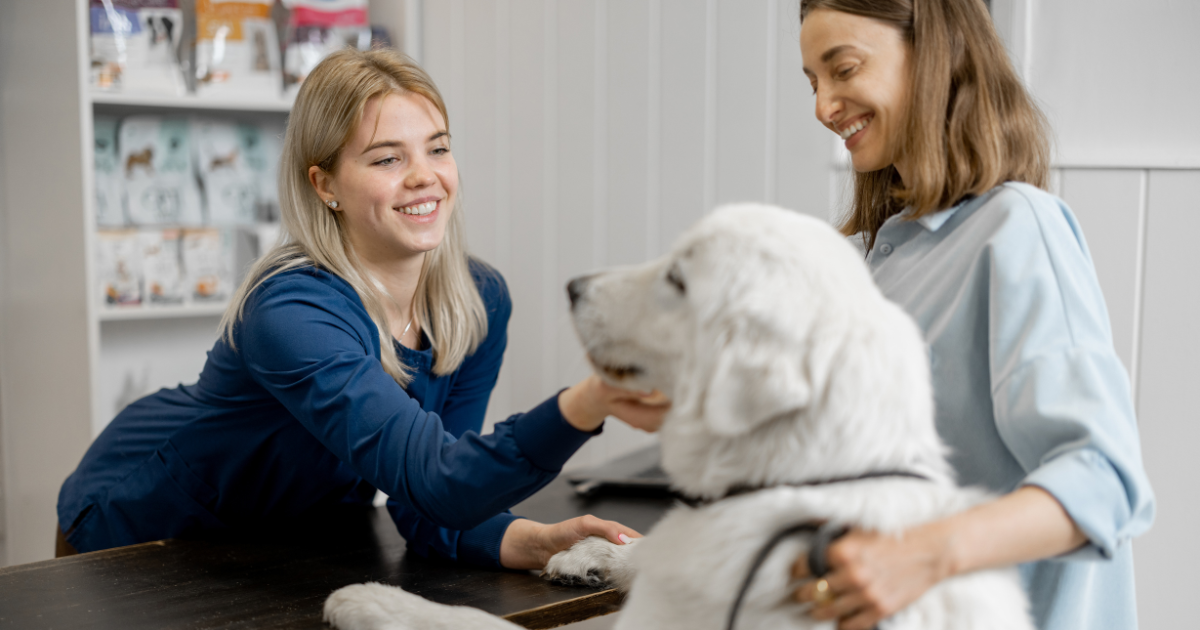
Handle with Care: Best Practices for Safe Animal Handling

Working in a veterinary practice often involves handling a variety of animals, each with their own temperament, size, and potential for unpredictable behavior. Implementing best practices for safe handling minimizes stress for the animals and reduces the risk of injury for veterinary staff. Below are a few essential strategies to follow.

Prompt Injury Reporting: A Winning Strategy for All Parties

Even with a robust safety program in place, injuries sometimes happen at work.

Helping to Ensure a Safe Driving Program

← Back to all posts Helping to Ensure a Safe Driving Program By Katie Stryker, CNA Assistant Vice President of Risk Control This article was originally printed in the Jan/Feb 2023 issue of the California Veterinarian magazine. Over the past few years, there has been a steady increase in the number of auto accidents and… Continue reading Helping to Ensure a Safe Driving Program

Safety Orientation—Communicate with Your New Employees and Keep Them Safe

Veterinarians must wear many hats to keep their practices running smoothly. One important aspect of running a successful practice is onboarding new hires.

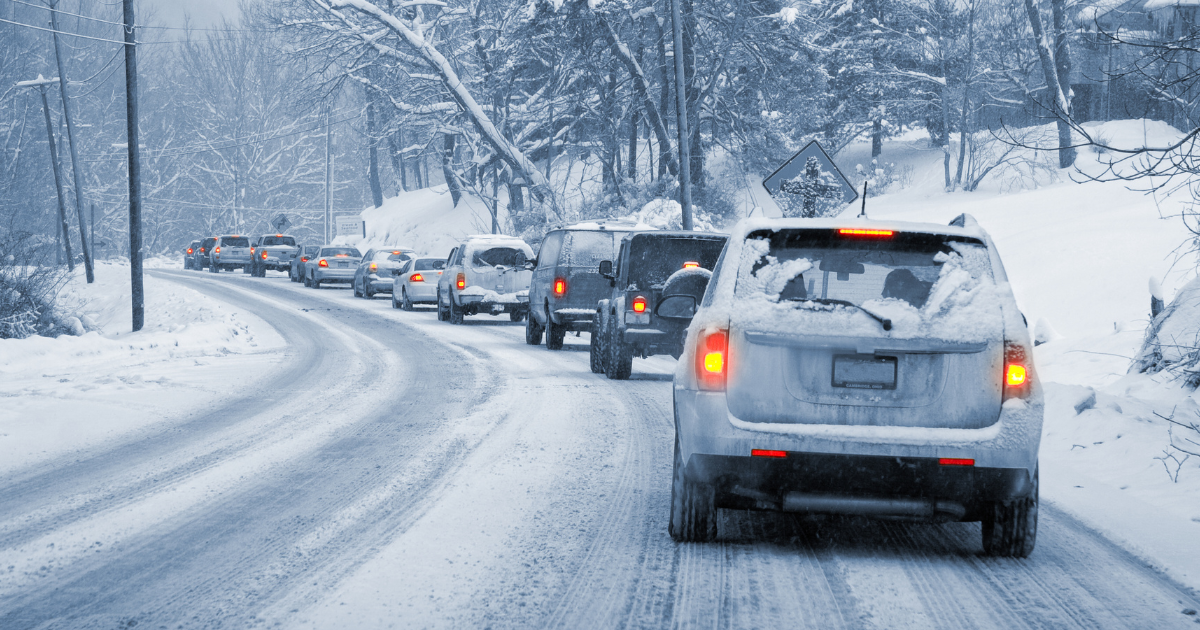
Safe Winter Driving Tips for California Drivers

California is known for its mild weather, but winter can bring unexpected and potentially hazardous driving conditions, especially in mountainous areas and the colder northern regions of the state.

Skip to content